Beyond Isolated Shocks: Why the Nepal Disaster Demands a Rethink on Compound Climate Risks
When extreme weather strikes, our immediate instinct is often to treat it as a standalone crisis—a severe flood, an intense monsoon, or an unexpected landslide. However, recent environmental disasters, such as the catastrophic events in Nepal, reveal an increasingly urgent reality: climate-induced threats rarely happen in isolation.
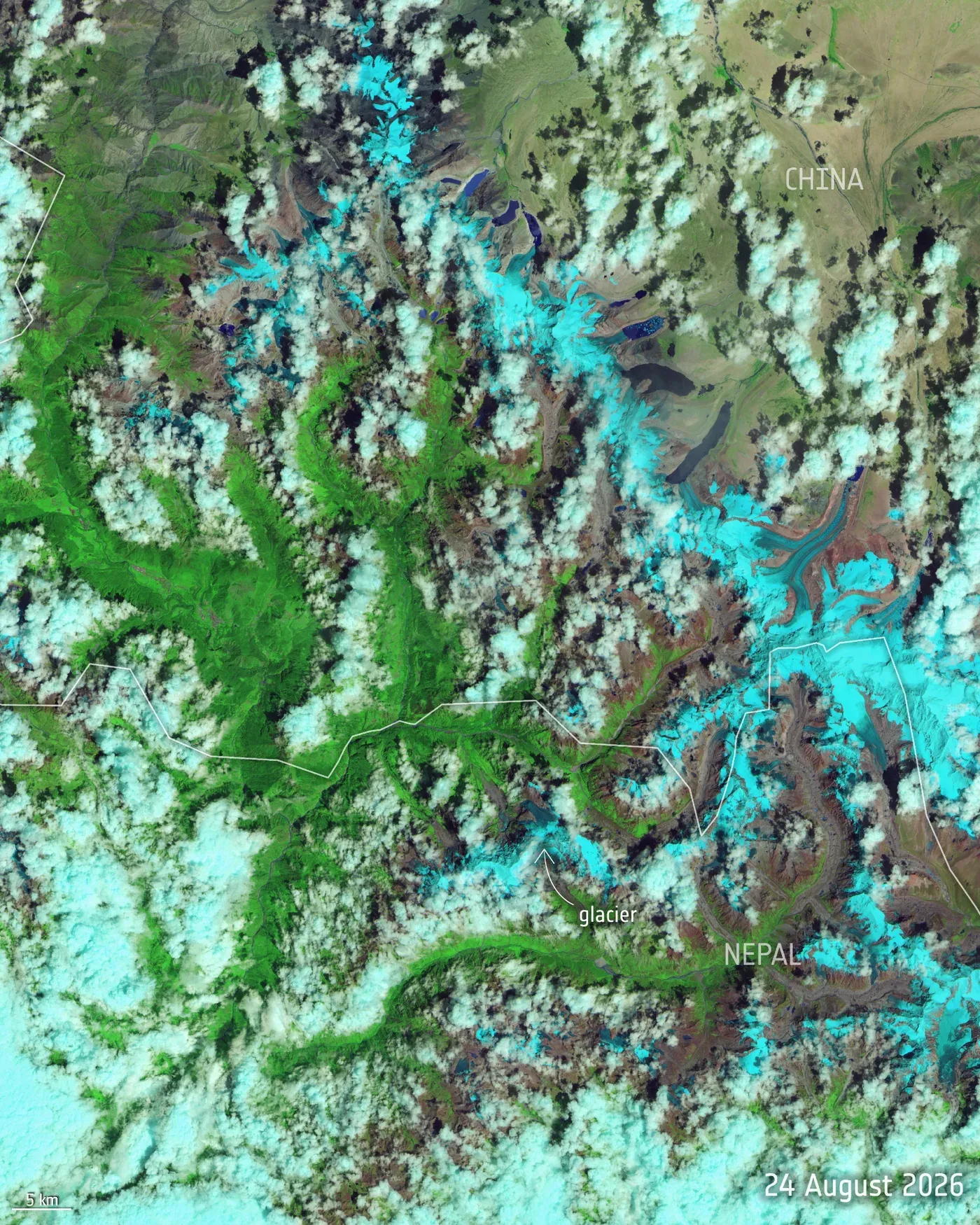
In a recent correspondence published in Nature, Dr. Ramit Debnath (University of Cambridge) highlighted the critical lessons emerging from the disaster in Nepal, emphasising that modern disaster response and climate modelling must urgently evolve to account for compound climate risks.
What Are Compound Climate Risks?
Compound and cascading risks occur when multiple hazards overlap or trigger a domino effect across human, ecological, and infrastructural systems. In mountainous and vulnerable geographies like the Himalayas, this might look like:
- Intense precipitation saturating fragile terrain already destabilised by earlier heatwaves or deforestation.
- Glacial melt and flash floods washing out critical bridges and transport corridors, cutting off emergency services.
- Secondary disruptions, such as compromised water sanitation, power grid failures, and agricultural loss, compounding the initial shock.
When policy and emergency planning treat each event as an isolated occurrence, communities are left exposed to systemic vulnerabilities that traditional disaster management models fail to anticipate.
Key Takeaways for Scientists and Policymakers
- Shift from reactive relief to interconnected modelling: Disaster risk reduction can no longer rely solely on historical climate baselines. Research frameworks and AI-driven predictive systems must map interconnected hazards and their cascading socio-economic repercussions.
- Cross-sectoral governance: Environmental policy, urban planning, and public health must collaborate seamlessly. Mitigating compound risks requires infrastructure that can withstand multiple concurrent stresses rather than single-threat engineering.
- Prioritising vulnerable frontline regions: Mountainous and developing economies frequently bear the brunt of compounded climate impacts despite contributing the least to global emissions. International climate finance and technology transfer must prioritise holistic resilience-building in these ecosystems.
The Path Forward
The tragedy in Nepal serves as a sobering reminder that climate threats are accelerating in complexity. Addressing these challenges requires dismantling institutional silos and adopting a multi-risk mindset. By treating compounding events as interconnected system shocks, scientists and decision-makers can design strategies that protect vulnerable communities before the next cascade begins.
Reference
Read the original correspondence in Nature: https://www.nature.com/articles/d41586-026-02794-w